Dignity is a requirement
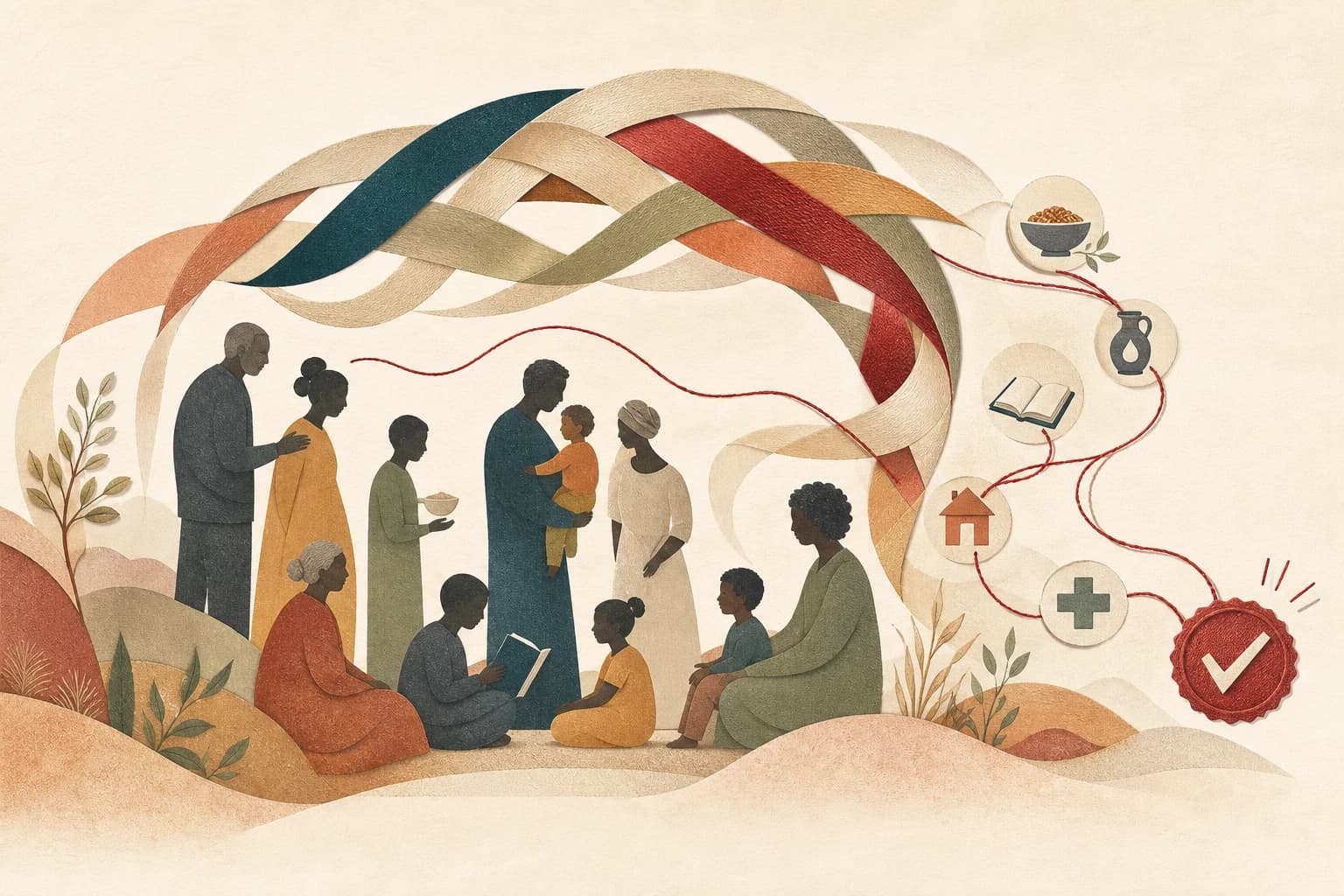
Help should not turn a child or family into campaign material.
We are testing whether a contribution can become reviewable, basic-needs help while children and families remain people—not proof artifacts.
Public records use city-level context and organization-owned channels; recipient identities stay out.
A public trust surface should make a narrow claim well—not imply that every partner, payment, or impact outcome has already been verified.
“Did funding become verified basic-needs help for children while dignity, privacy, and reporting burden were protected?”
Help should not turn a child or family into campaign material.
Public proof is useful only when private lives stay private.
Frontline teams should verify delivery without becoming reporting departments.
6 records. Open any row for sources and review gaps.
Nonprofit
Privacy boundary. Public receipt uses city-level location and organization-owned channels only. Exact street addresses, raw phone numbers, recipient identifiers, private hardship details, and unpublished operational notes stay out of the public page.

Nonprofit
Privacy boundary. Public receipt uses city-level location and organization-owned channels only. Exact street addresses, raw phone numbers, recipient identifiers, private hardship details, and unpublished operational notes stay out of the public page.

Platform
Privacy boundary. Public receipt uses city-level location and organization-owned channels only. Exact street addresses, raw phone numbers, recipient identifiers, private hardship details, and unpublished operational notes stay out of the public page.
Platform
Privacy boundary. Public receipt uses city-level location and organization-owned channels only. Exact street addresses, raw phone numbers, recipient identifiers, private hardship details, and unpublished operational notes stay out of the public page.
Nonprofit
Privacy boundary. Public receipt uses city-level location and organization-owned channels only. Exact street addresses, raw phone numbers, recipient identifiers, private hardship details, and unpublished operational notes stay out of the public page.

Community initiative
Privacy boundary. Public receipt uses city-level location and organization-owned channels only. Exact street addresses, raw phone numbers, recipient identifiers, private hardship details, and unpublished operational notes stay out of the public page.
Public records stop at city level and omit recipient identities. Participation depends on the work and verification standard—not entity type.
The public record traces accountable decisions and ordinary operating evidence. It does not ask children to perform proof for donors.
A contribution enters with a declared purpose and accountable owner.
The organization records where the contribution is assigned.
Normal operating evidence is reviewed against the public claim.
A redacted receipt shows what happened—and what stayed private.
More data is not automatically more trustworthy. The pilot earns legitimacy by refusing evidence that creates avoidable risk, shame, or coercion.
A credible receipt says what was verified, who reviewed it, what remains uncertain, and which private details were deliberately withheld.
The pilot’s MVP target is Level 3: normal operational evidence supports what was delivered. That is deliberately different from claiming long-term poverty reduction or lives saved.
The pilot is successful when organizations retain more capacity, funders receive reviewable evidence, and children bear less of the cost of proving that help happened.